About the Fellowship
Journalism & Storytelling
Learn to identify meaningful stories, ask sharper questions, conduct research and interviews, and produce clear, compelling work for a public audience. Through practical instruction, professional editing, and guest lectures from working journalists and media professionals, fellows strengthen their writing and analytical skills and may have the opportunity to publish their work online.
Policy & Civic Engagement
Discover how media, politics, public policy, advocacy, and governance intersect to shape communities. Fellows move beyond traditional civics lessons to examine how an issue can grow from a public demand into a political campaign, a policy proposal, and ultimately a measurable outcome that contributes to the common good.
Mentorship & Media Access
Apply what you learn through published writing, collaborative assignments, media production, guest lectures, and a final capstone project. Fellows gain direct exposure to professionals working in journalism, government, political strategy, advocacy, public affairs, and policy analysis, while building practical skills, credible work samples, and experience they can carry into college, internships, careers, and community leadership.
What You’ll Work On

Research for media content on current issues

Social media writing, infographics, and meme production

Video production for social platforms and Council of State Government micro-summits
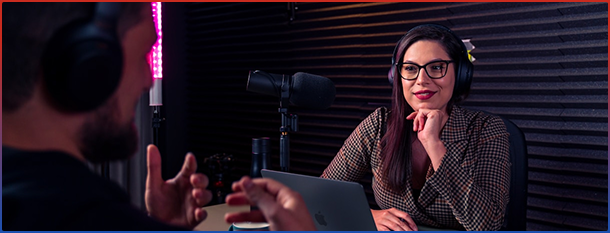
Booking and interviewing guests — policymakers, experts, and influencers

A rotating weekly blog for theBEnote.com, WURDradio.com, or ecoWURD.com

A weekly reflection journal, compiled into a final Capstone Paper
Time & Conduct
Fellows commit a minimum of 10 hours per week (about 2 hours/day, 5 days a week, plus one weekly virtual class). The Fellowship is an extracurricular — if it starts affecting your academic coursework, that comes first. Professionalism and civility are expected at all times.
A Vision Rooted in Opportunity
The CLMI Fellowship began with Bob Morales, Chief External Affairs Officer for Lifelong Learning, and his belief that young people deserve more than classroom instruction. Having grown up in a working-class community and built a distinguished public-affairs career that began with a transformative legislative internship, Morales understands how access to the right people and experiences can open entirely new paths. He envisioned a program that would help students discover their abilities, strengthen their voices, and gain practical knowledge not typically available in a traditional high school civics course. His goal was to connect promising students with experienced professionals who could offer mentorship and an inside look at careers in media, government, policy, and advocacy. At its heart, the vision was simple: give young people the tools, confidence, and opportunities to become stronger communicators, engaged citizens, and future leaders.
Where the Vision Took Shape
The fellowship grew from conversations between Morales and veteran public-affairs strategist and journalist, Charles Ellison, about closing gaps in civic and media literacy. Together, they developed an intensive, project-based experience centered on journalism, governance, public policy, advocacy, and media influence. Rather than create a conventional civics class, they designed a practitioner-led fellowship that would show participants how these fields operate behind the scenes and intersect in the real world. Fellows would not only study public affairs, but they would also research issues, create media, engage professionals, and contribute their own perspectives to public conversations.
Powered by LLAC
Lifelong Learning Administration Corporation (LLAC) hosts the Civic Literacy & Media Influence Fellowship, a 12-week program open to eligible students and alumni across the charter schools LLAC supports. More than an administrative services provider, LLAC invests in young people and their communities through scholarships, mentorship, advocacy, and expanded learning opportunities. Fellows who successfully complete the rigorous program earn a $1,000 scholarship in recognition of their accomplishments and to support their next educational or professional step. Through CLMI, LLAC puts its mission into action, creating opportunities for young people to grow, contribute, and lead.
Growing With Every Cohort
Since its launch, the CLMI Fellowship has continued to evolve with each new cohort, incorporating lessons from instructors, guest speakers, program staff, and the fellows themselves. The curriculum has expanded and adapted to offer deeper opportunities in research, analytical and journalistic writing, civic engagement, professional presentation, and capstone development. Fellows have produced publishable work, participated in broadcasts and public discussions, connected with professionals, and carried their experience into college, internships, employment, and community advocacy. What began as an ambitious idea has become a continually evolving fellowship; one designed not only to develop informed, civically engaged citizens, but also to prepare young people to participate, influence, and lead.